Testing Strategies: Unit, Integration, E2E
Testing Strategies: Unit, Integration, E2E
Up to 20 questions, shuffled on every run
Welcome to the Testing Strategies Quiz! This quiz covers unit testing, integration testing, end-to-end testing, mocking, fixtures, code coverage, and more. Test your knowledge and understanding of these essential concepts in software testing. Good luck!
Answer key and explanations20 questions
The quiz above draws 20 questions at random from these 30, so a second attempt will not be the same run. Everything in the pool is listed here.
What is unit testing?
AnswerThe practice of verifying individual functions or methods in complete isolation
What is integration testing?
AnswerThe verification of interactions between multiple components or external services
What is end-to-end (E2E) testing?
AnswerThe simulation of complete user workflows from the frontend through to the backend
What is the test pyramid?
AnswerA strategy favoring many unit tests, fewer integration tests, and minimal E2E tests
What is a mock?
AnswerA replacement for a dependency that allows for controlling and inspecting behavior
What is a stub?
AnswerA simplified object that returns fixed, predetermined data for specific calls
What is a spy?
AnswerA wrapper around a function that records details about how it was called
What is a fixture?
AnswerA baseline set of data or state used consistently across multiple test cases
What is code coverage?
AnswerA metric indicating the percentage of source code executed during a test suite
What is Cypress?
AnswerA modern, browser-based framework designed for end-to-end testing
What is test isolation?
AnswerEnsuring that the outcome of one test does not affect the outcome of another
What is a flaky test?
AnswerA test that provides inconsistent results without any changes to the code
What is Test-Driven Development (TDD)?
AnswerA process where you write a failing test before writing the actual implementation
What is Behavior-Driven Development (BDD)?
AnswerA methodology using human-readable descriptions to define how an application should act
What is snapshot testing?
AnswerA technique that compares the current output of a component to a previously stored version
What is the AAA (Arrange-Act-Assert) pattern?
AnswerA structural pattern that divides a test into three clear, sequential phases
What is parameterized testing?
AnswerA method for executing the same test logic multiple times using different input data
What is regression testing?
AnswerRe-running existing tests to confirm that new changes have not introduced any new bugs
What is smoke testing?
AnswerA preliminary set of tests that verify the most critical functions of an application
What is performance/load testing?
AnswerA strategy to evaluate how a system performs under a high volume of concurrent users
What is security testing?
AnswerThe practice of identifying vulnerabilities and threats in application code or infrastructure
What is contract testing?
AnswerA technique to ensure that a provider and a consumer of an API agree on the data format
What is mutation testing?
AnswerAn advanced method that modifies the source code to check if the test suite fails
What is property-based testing?
AnswerA strategy where a test generates random data to verify that certain logic properties always hold
What is accessibility testing?
AnswerThe practice of ensuring that software is usable by people with various disabilities
What is the test data builder pattern?
AnswerA design pattern that uses a fluent interface to construct complex objects for testing
What is test isolation and why is it important?
AnswerA requirement that tests remain independent to prevent side effects and shared state
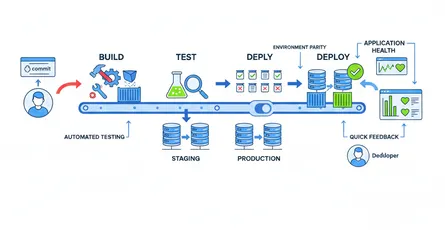
What is continuous testing in CI/CD?
AnswerThe automated execution of software tests as part of the software delivery pipeline
What is canary testing and canary deployment?
AnswerThe process of releasing a new version of code to a small group of users to monitor performance
What is chaos engineering and chaos testing?
AnswerThe discipline of experimenting on a system to ensure its ability to withstand turbulent conditions